Blaxploitation in 10 films
Between 1970 and 1976 Black filmmakers and stars took centre stage in American commercial cinema, with funk music, urban heroes and rebel stories. This guide follows the cycle from its roots to its echo in Tarantino.
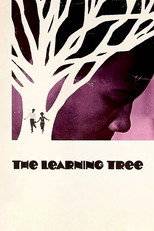
- 1The Learning Tree 1969Gordon Parks · IMDb 7.2Parks adapts his own novel about a Black teenager growing up in 1920s Kansas. In 1969 it made him the first Black director of a major Hollywood studio film.
Next: Watermelon Man
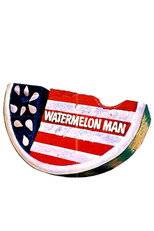
Parks's gentle, personal debut gives way to Van Peebles's sharper tone, as a studio comedy turns racial roles upside down. - 2Watermelon Man 1970Melvin Van Peebles · IMDb 6.7A white man wakes up one morning to find he has turned Black. Van Peebles directs this sharp studio satire of American racism.
Next: Sweet Sweetback's Baadasssss Song
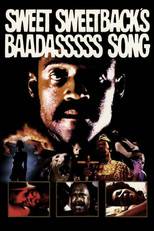
Van Peebles leaves the studio behind and makes a raw, independent film that is far angrier and far more radical. - 3Sweet Sweetback's Baadasssss Song 1971Melvin Van Peebles · IMDb 5.5Van Peebles paid for this raw film himself, and it follows a man on the run from the police. Its box-office success showed Hollywood a new audience.
Next: Shaft
Sweetback's rebellion meets Hollywood polish: Parks takes the same audience and gives it a hero with a studio budget and a funk score. - 4Shaft 1971Gordon Parks · IMDb 6.6A Harlem private detective takes a job from a gangster. Parks gives the cycle its star, its sound and its studio backing, with Isaac Hayes's Oscar-winning theme.
Next: Shaft's Big Score!
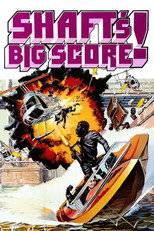
The hero stays, the stakes grow. The sequel trades the detective-story mood for bigger set pieces. - 5Shaft's Big Score! 1972Gordon Parks · IMDb 6.1Parks returns to the character with bigger action and a New York underworld plot. The formula is now a series.
Next: The Super Cops
After the sequel, Parks changes angle, swapping the private eye for two real policemen and a looser, more comic tone. - 6The Super Cops 1974Gordon Parks · IMDb 6.6Parks moves to the police side, with a comedy-action story based on two real New York cops. The cycle widens beyond the lone Black hero.
Next: Mandingo
From city streets to the antebellum South, the cycle's love of shock moves into a darker, much more controversial period drama. - 7Mandingo 1975Richard Fleischer · IMDb 6.5Fleischer sets a lurid drama on a Southern slave plantation. Panned on release and later reappraised, it pushes the cycle's shock tactics into the past.
Next: Leadbelly
Parks takes the period setting in a calmer direction, from lurid melodrama to the real life of a blues musician. - 8Leadbelly 1976Gordon Parks · IMDb 7.2Parks closes the decade with a serious biography of the blues singer Lead Belly. The mood of the cycle turns from swagger to history.
Next: Jackie Brown
We jump two decades. The cycle is long over, and Tarantino now revives its stars and its sound for a more adult crime story. - 9Jackie Brown 1997Quentin Tarantino · IMDb 7.5Twenty years later Tarantino casts Pam Grier, the star of the cycle, in a crime story that borrows its funk and swagger.
Next: Django Unchained
Tarantino moves from the 1970s streets to the pre-war South, turning the cycle's revenge fantasies into a Western. - 10Django Unchained 2012Quentin Tarantino · IMDb 8.5Tarantino sends a freed slave on a revenge mission in the antebellum South. The Blaxploitation spirit meets the Western.



Where next: the school page lists the full set of films, and the New Hollywood guide shows what else American cinema was doing in the same years.
Learn more about Blaxploitation →


